AI Made Me Do It
SYMPOSIUM




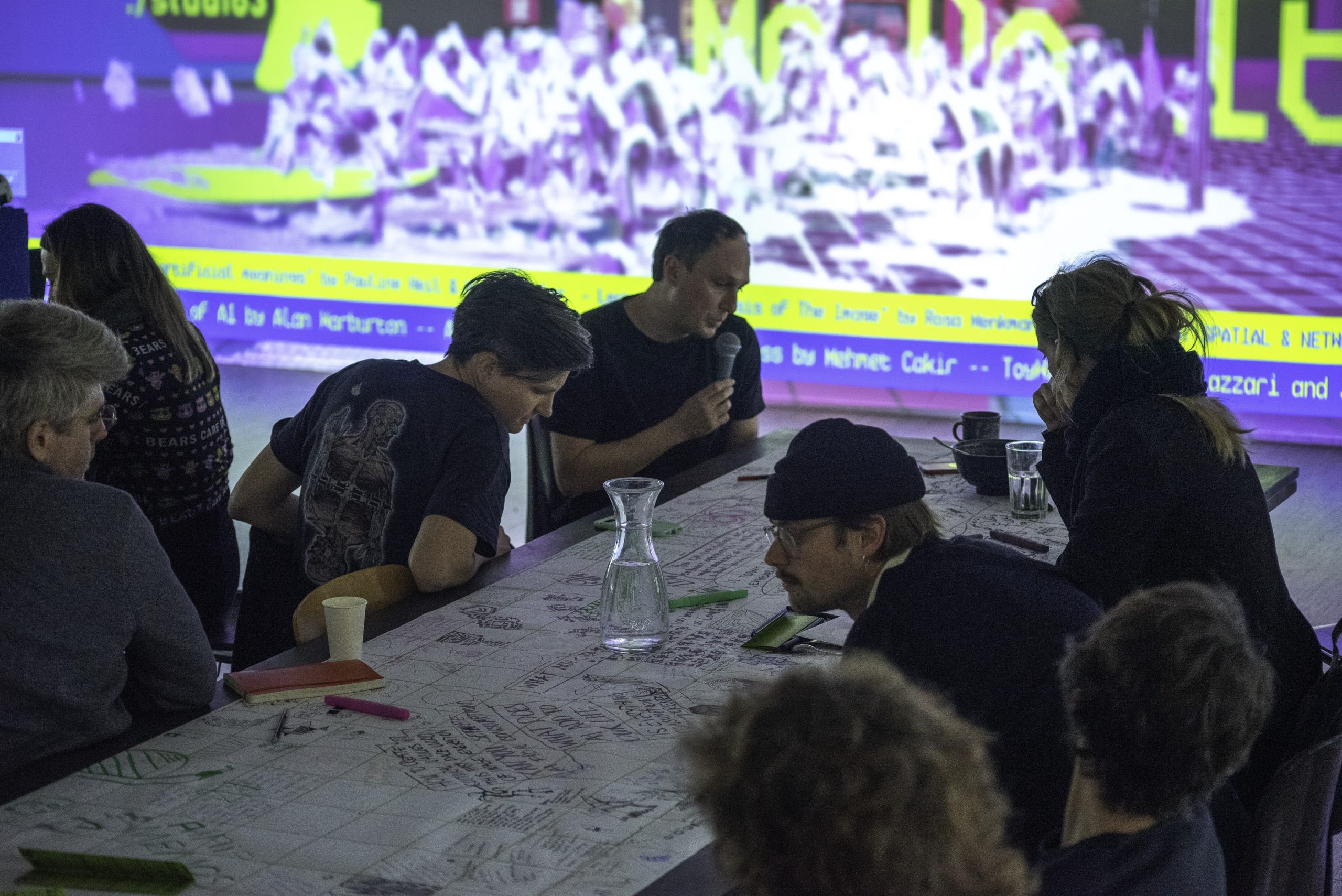
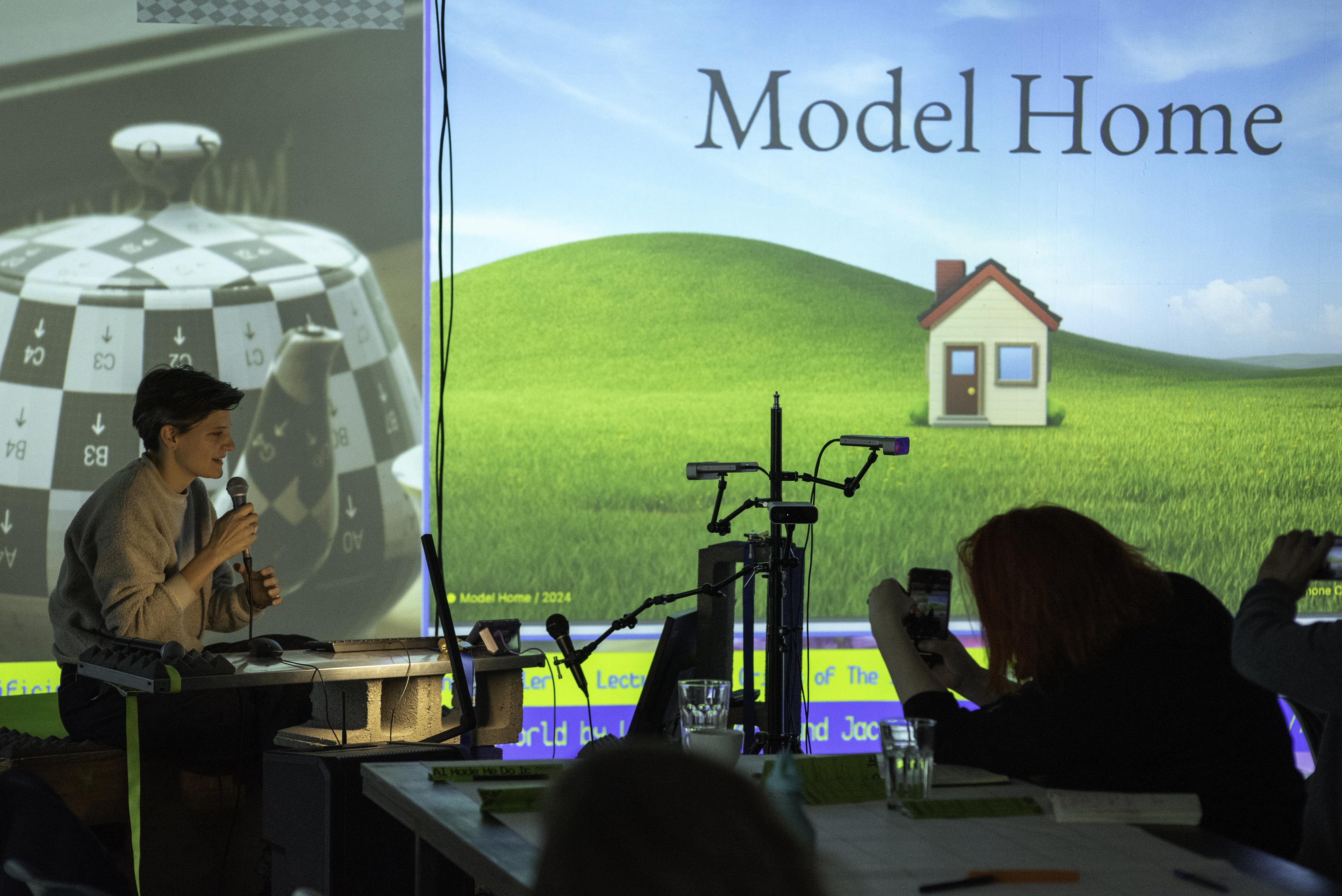

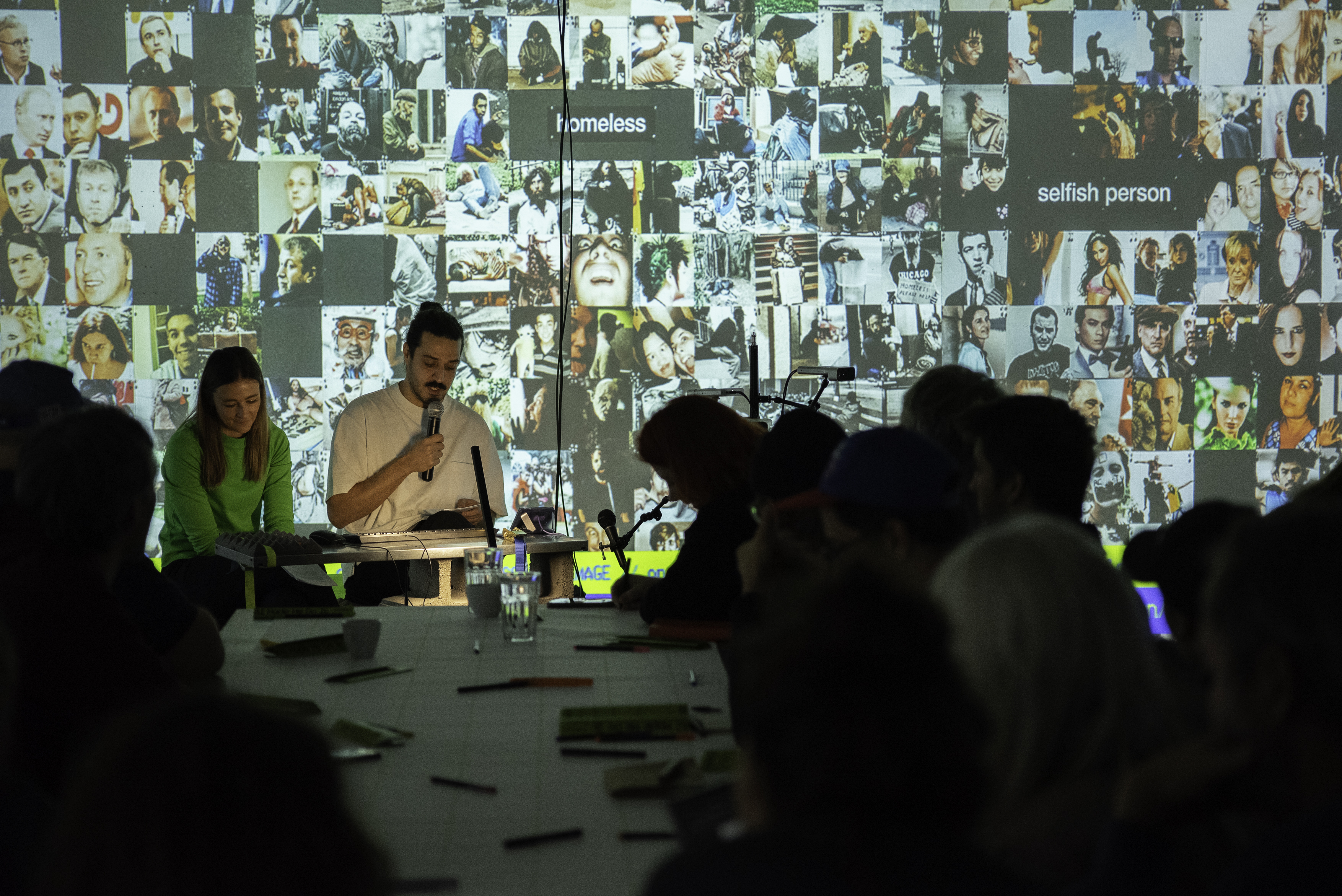
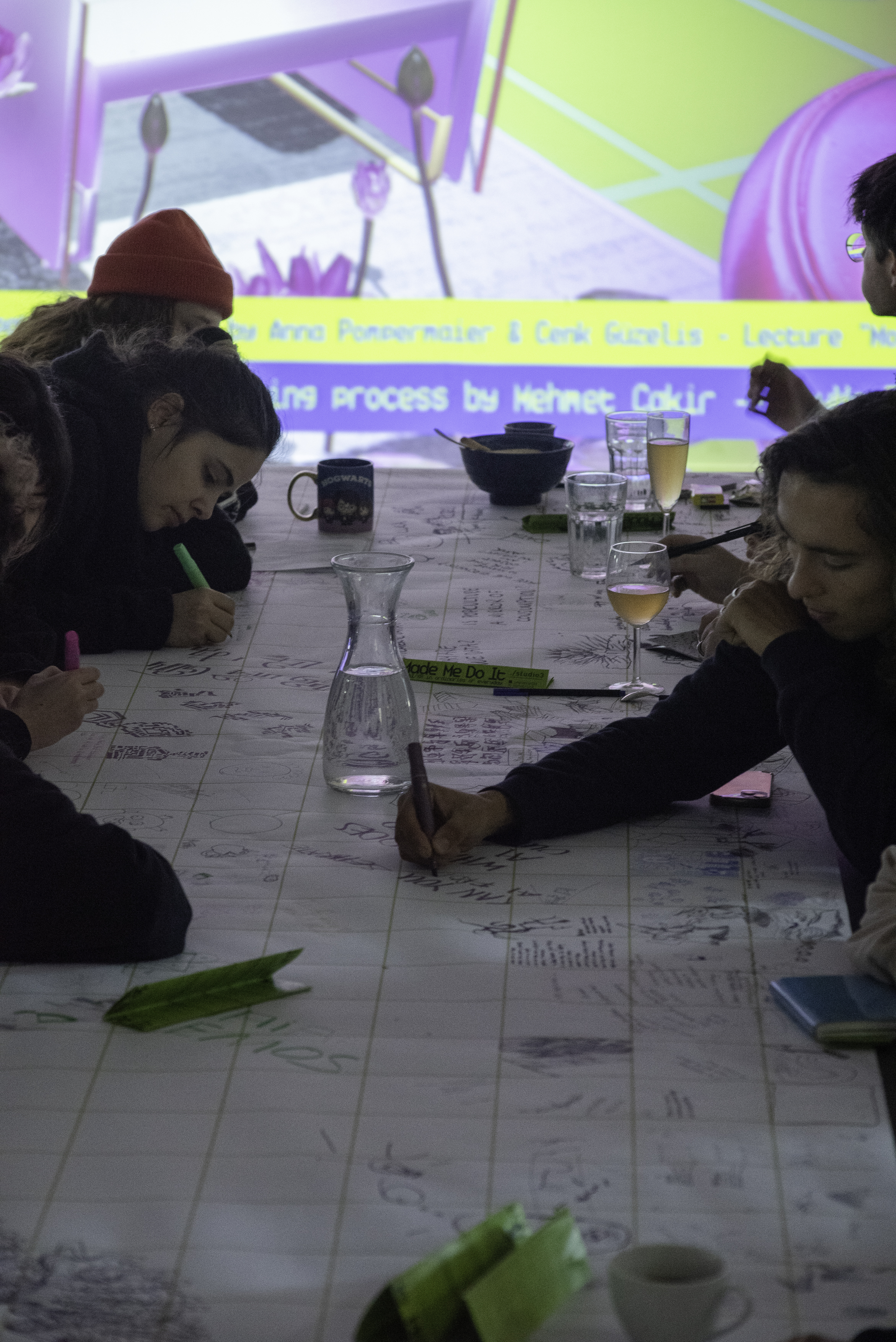


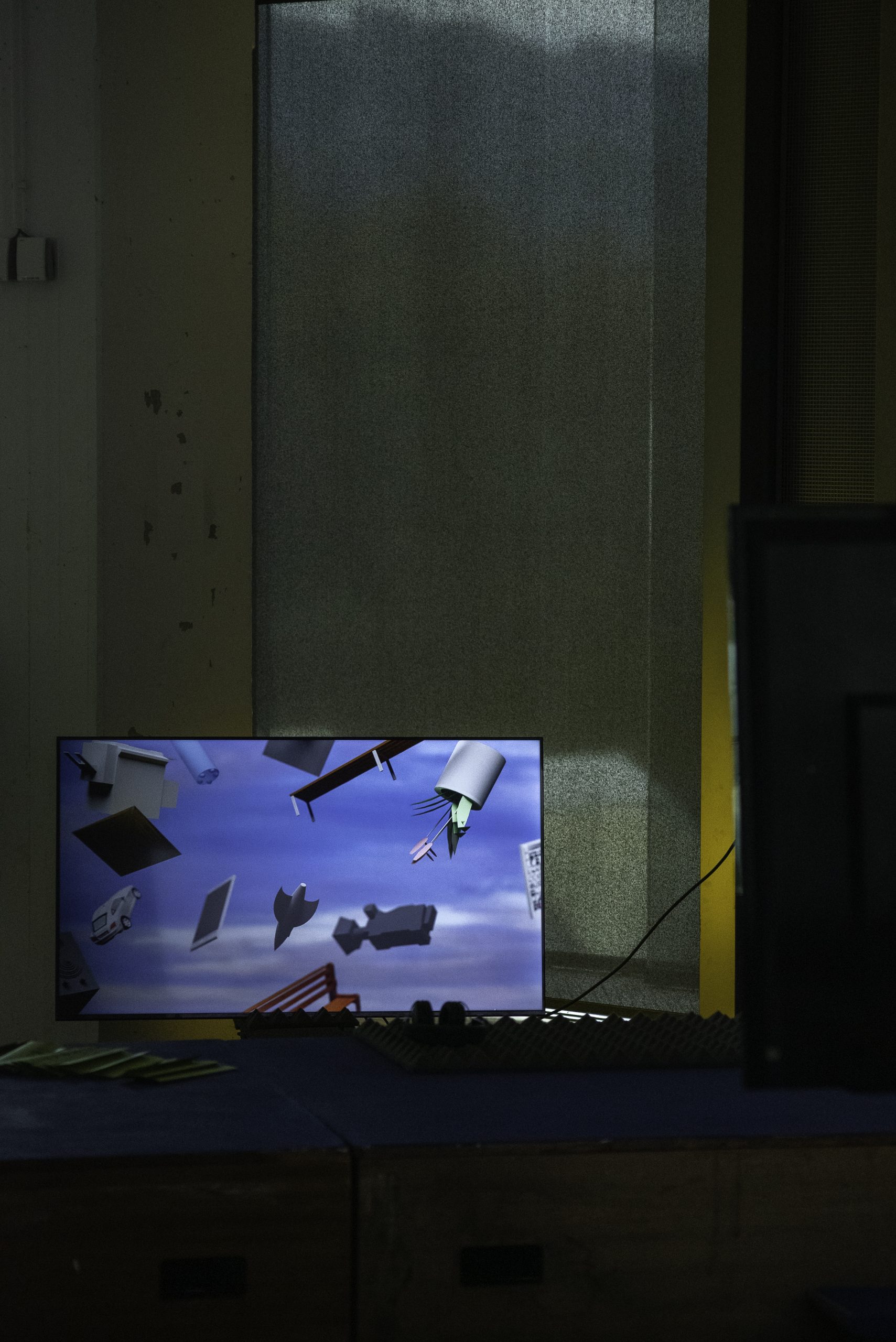
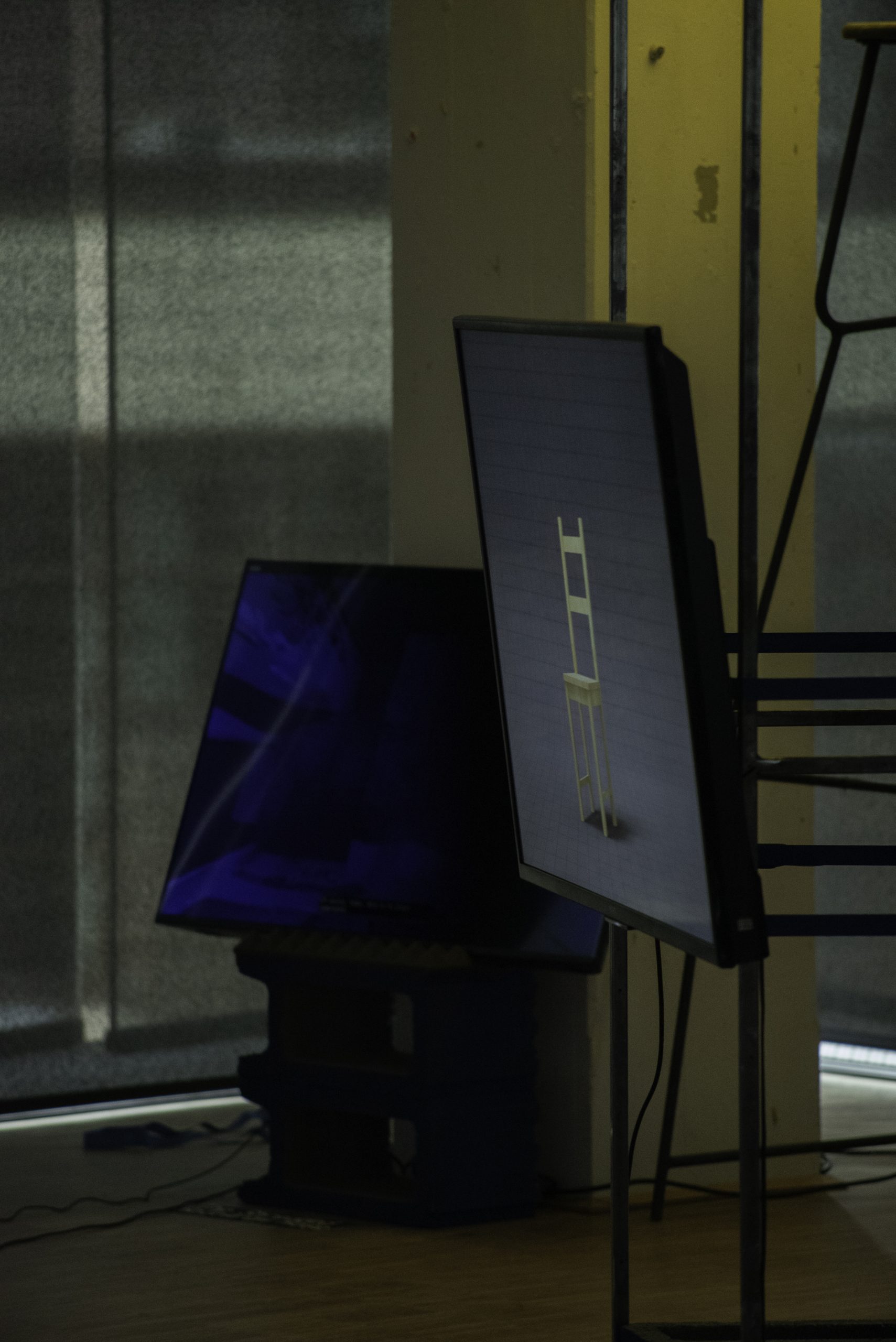
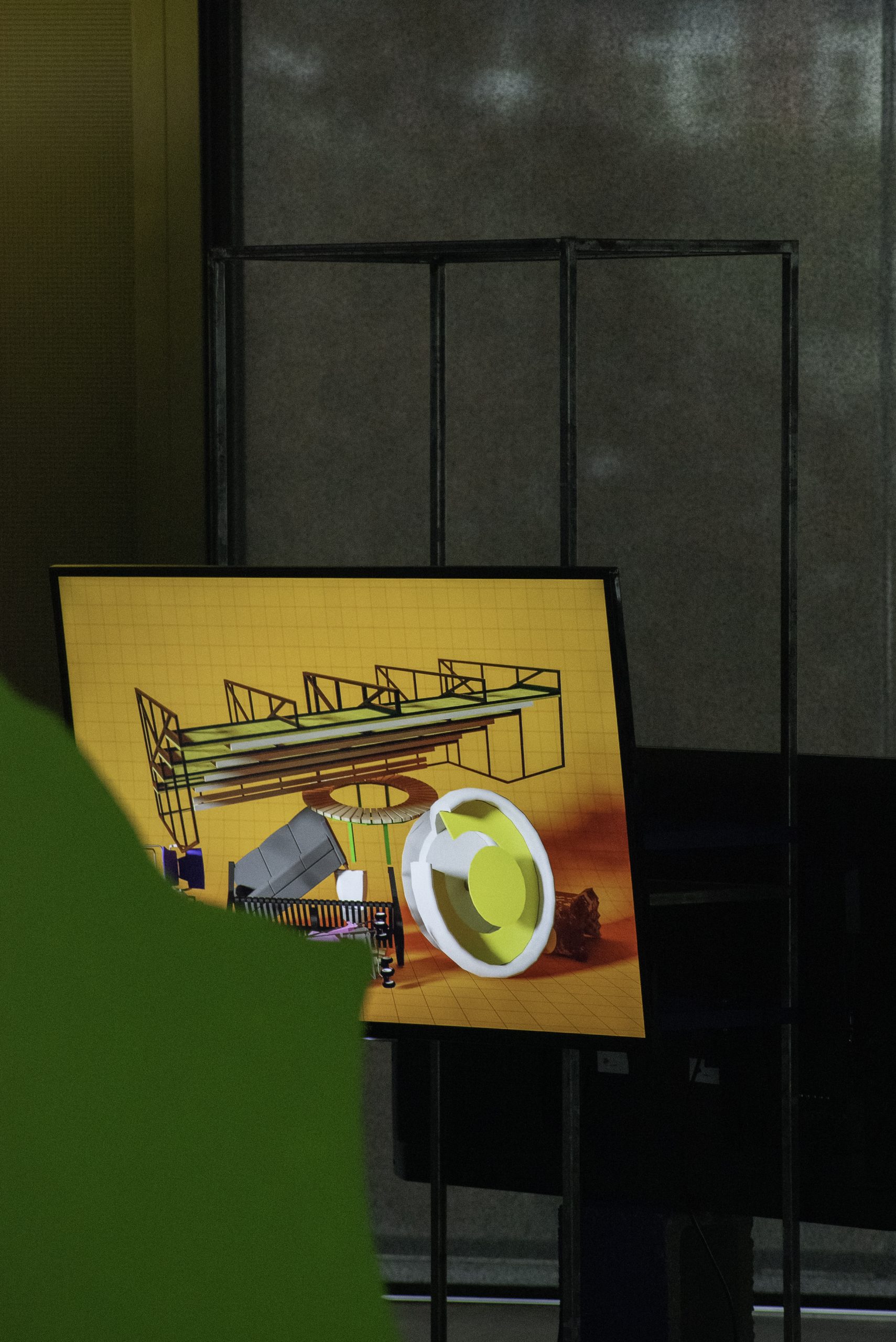
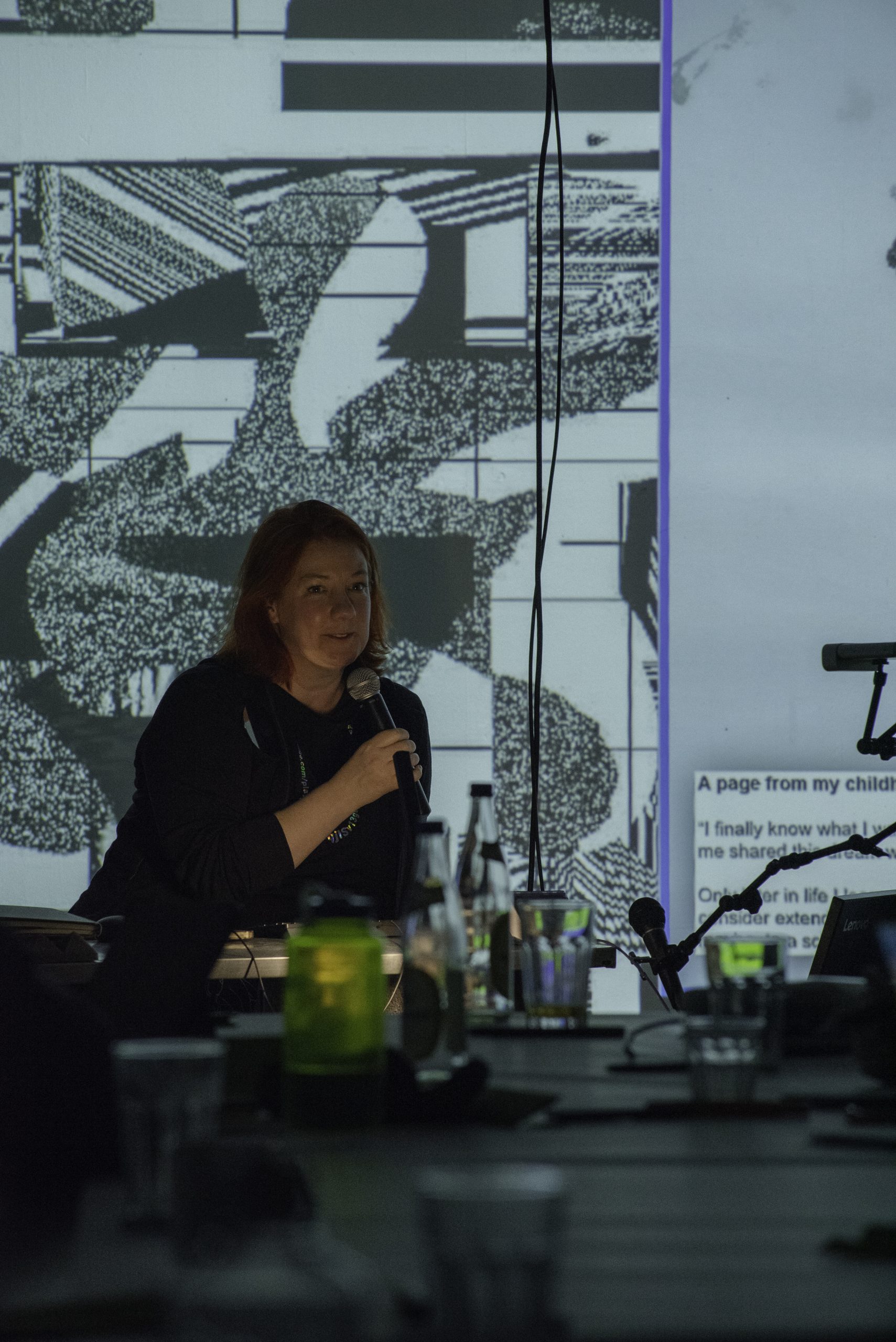
Exploring AI in Ordinaries of Everyday
Exploring AI in Ordinaries of Everyday
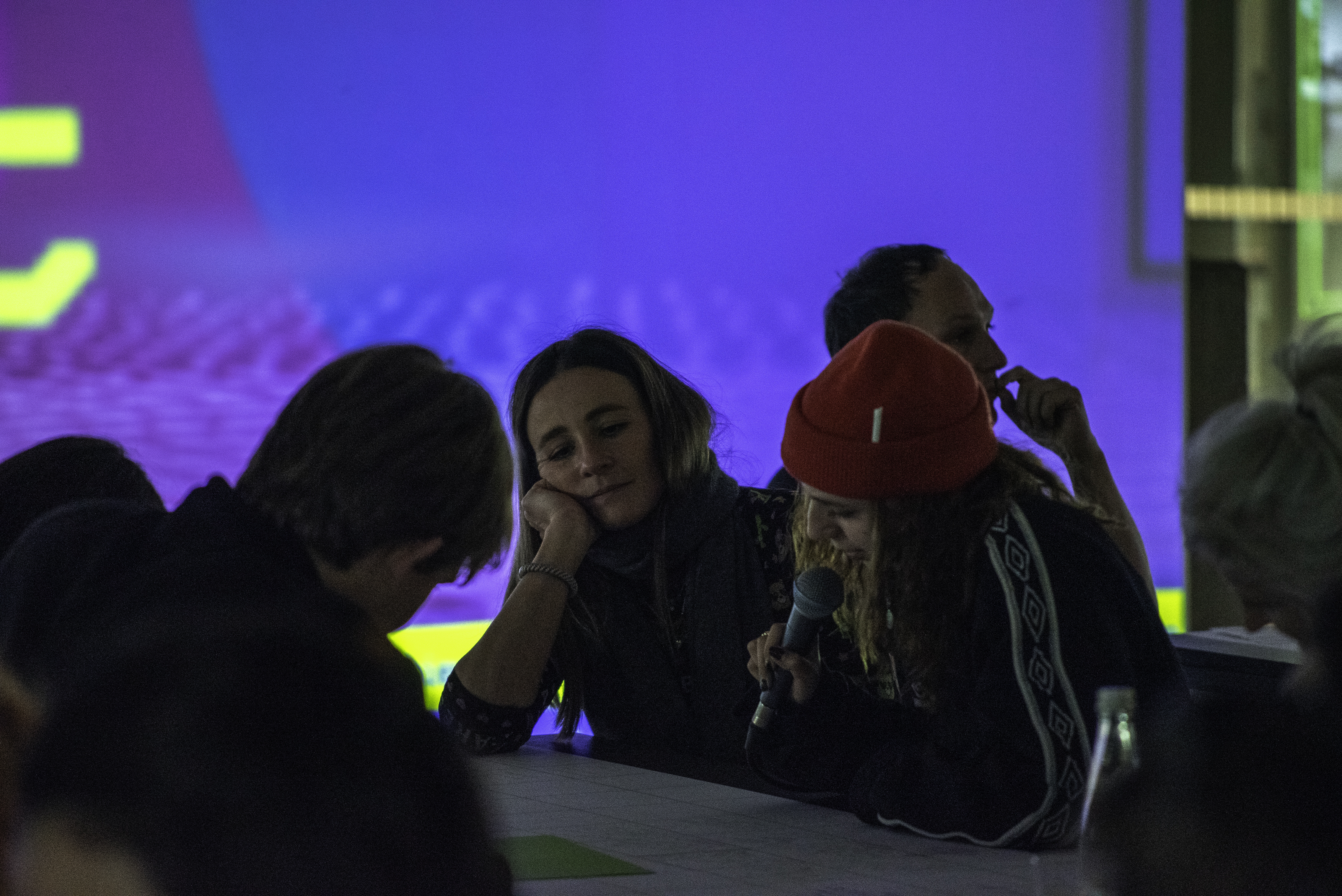
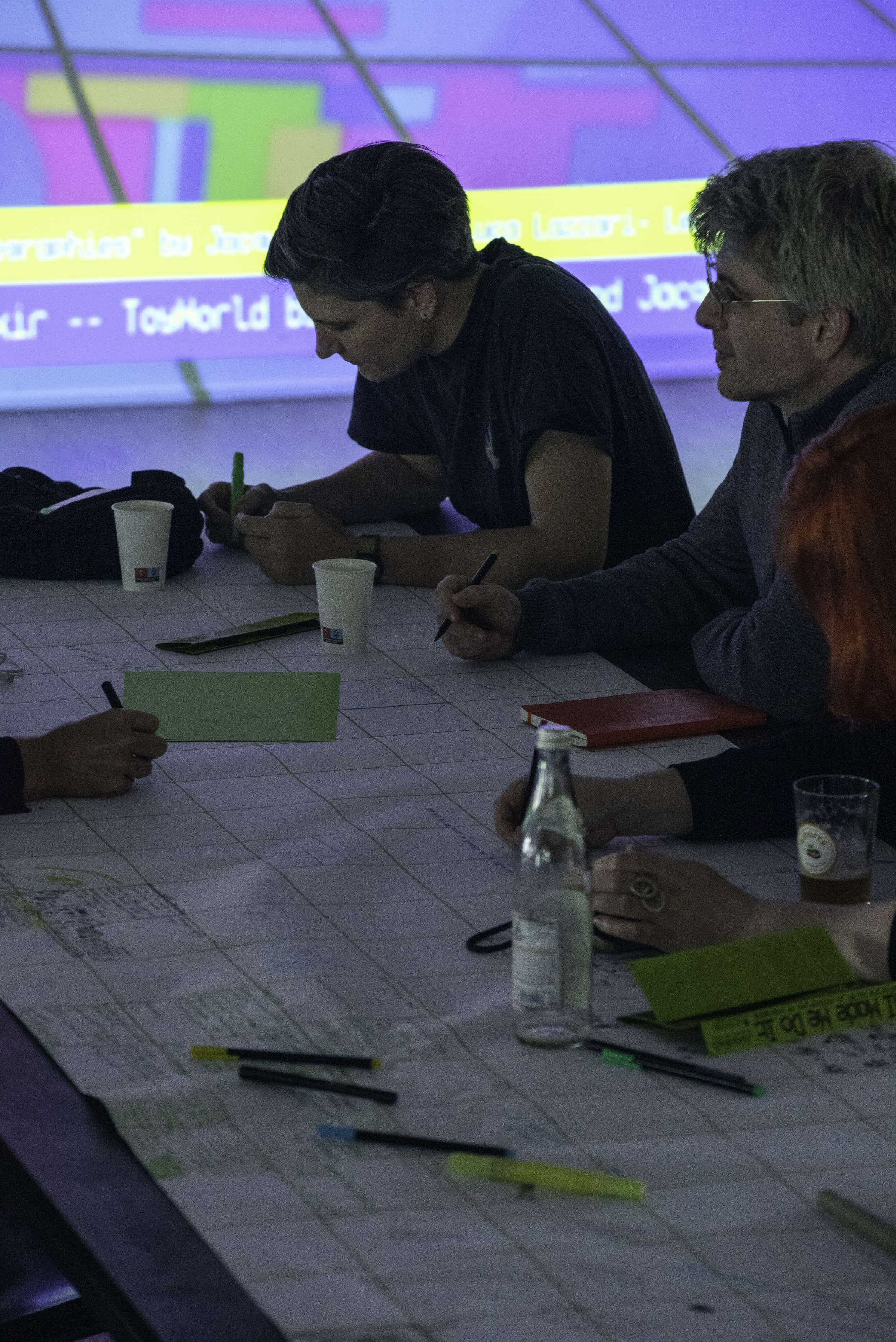
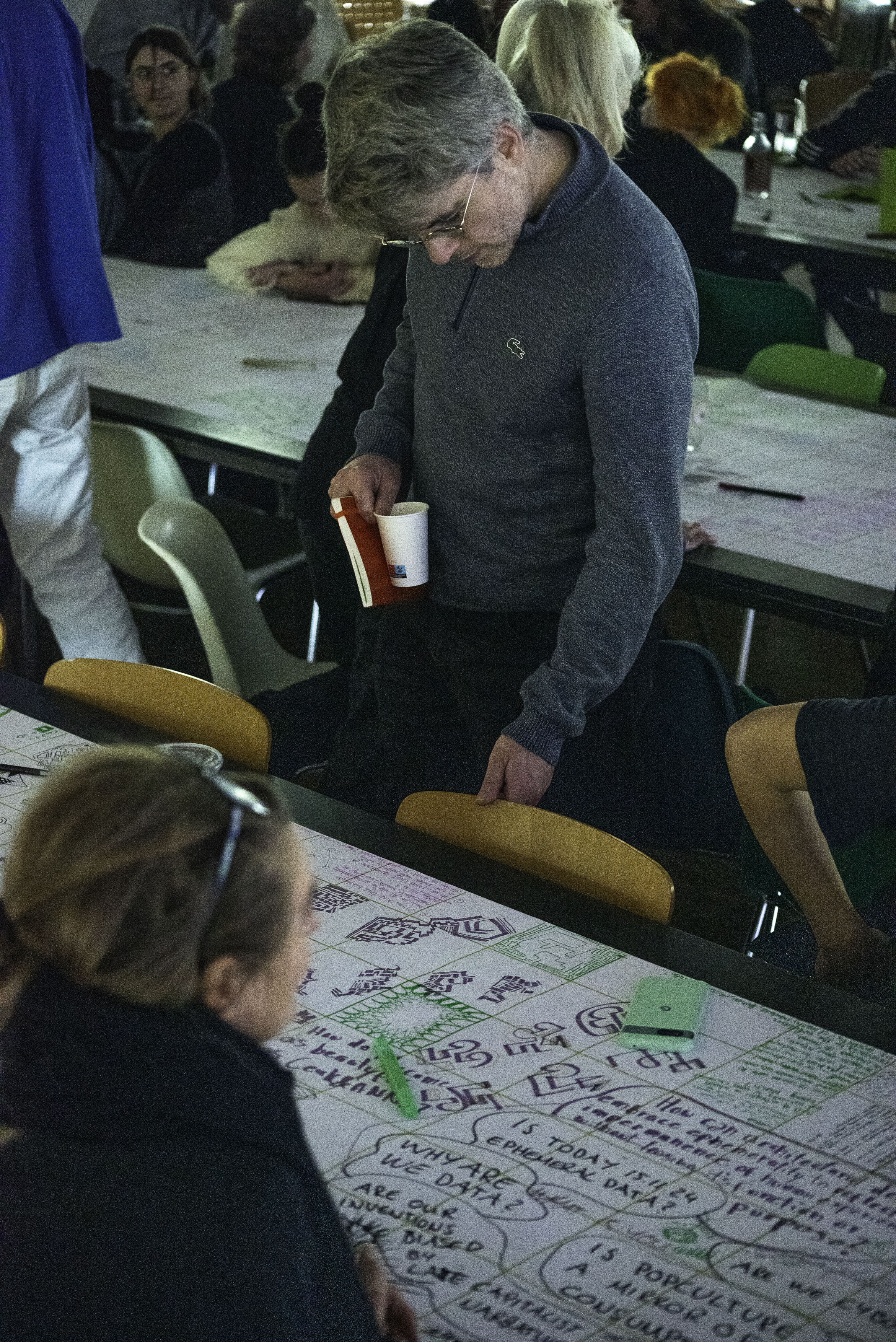
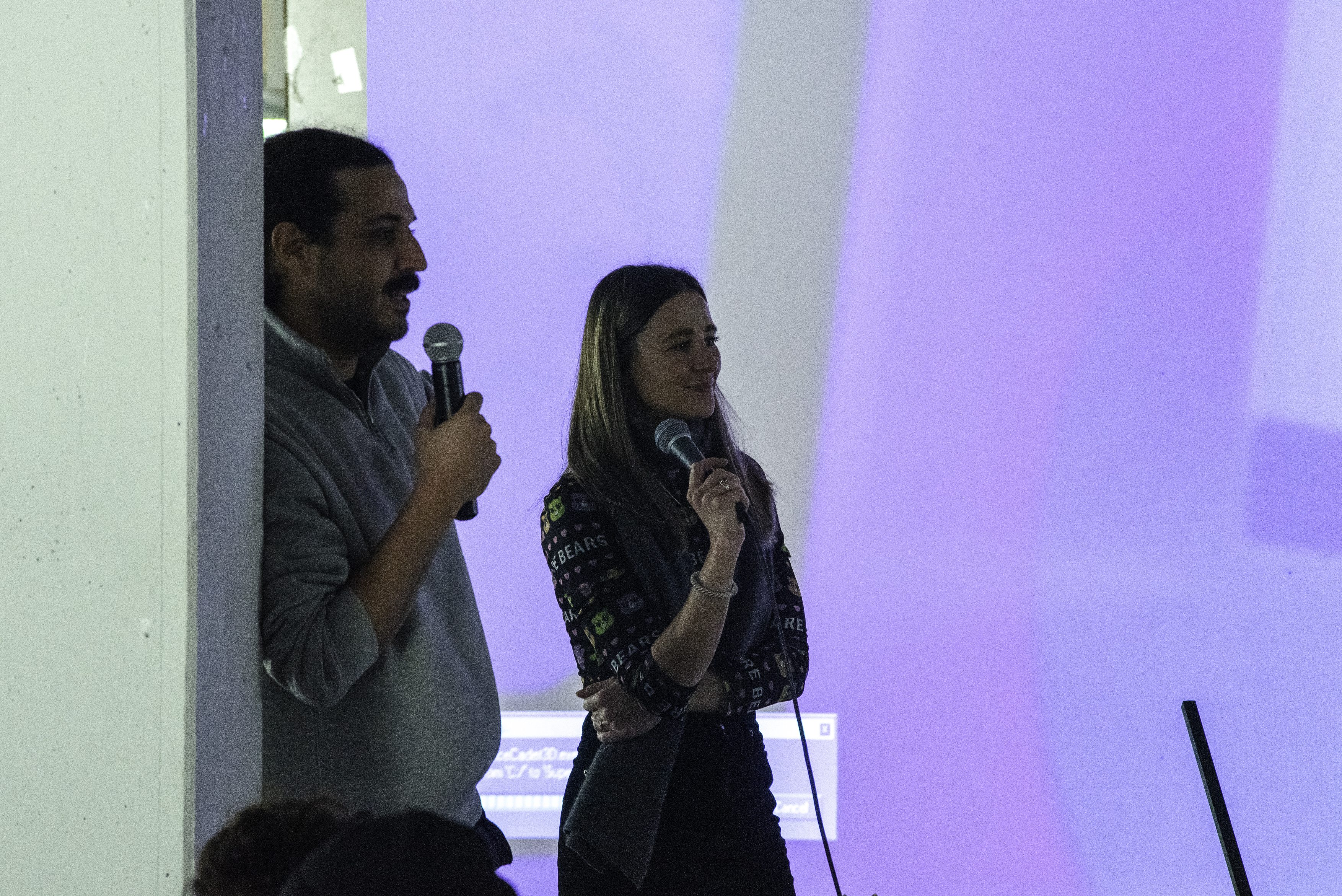
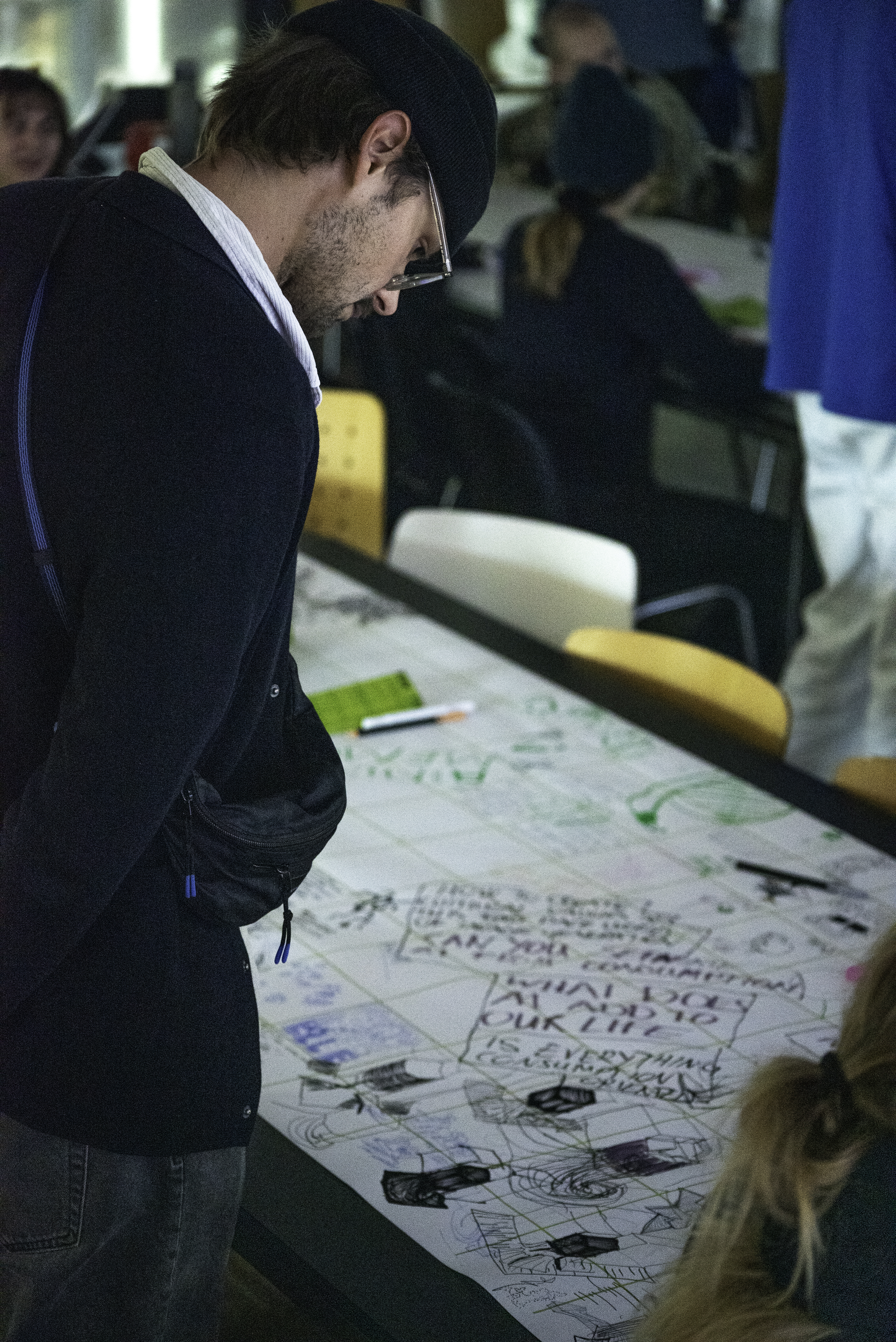
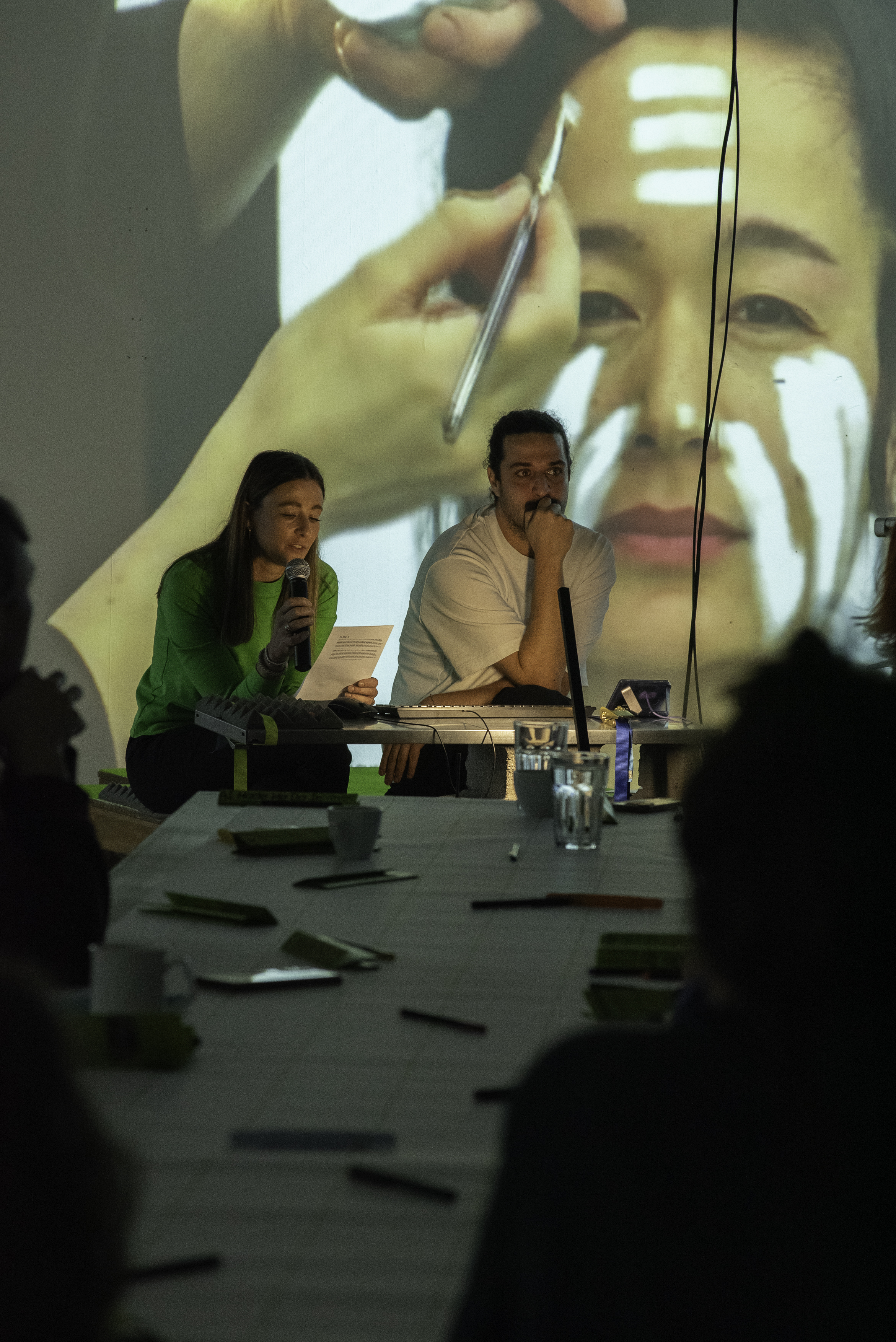
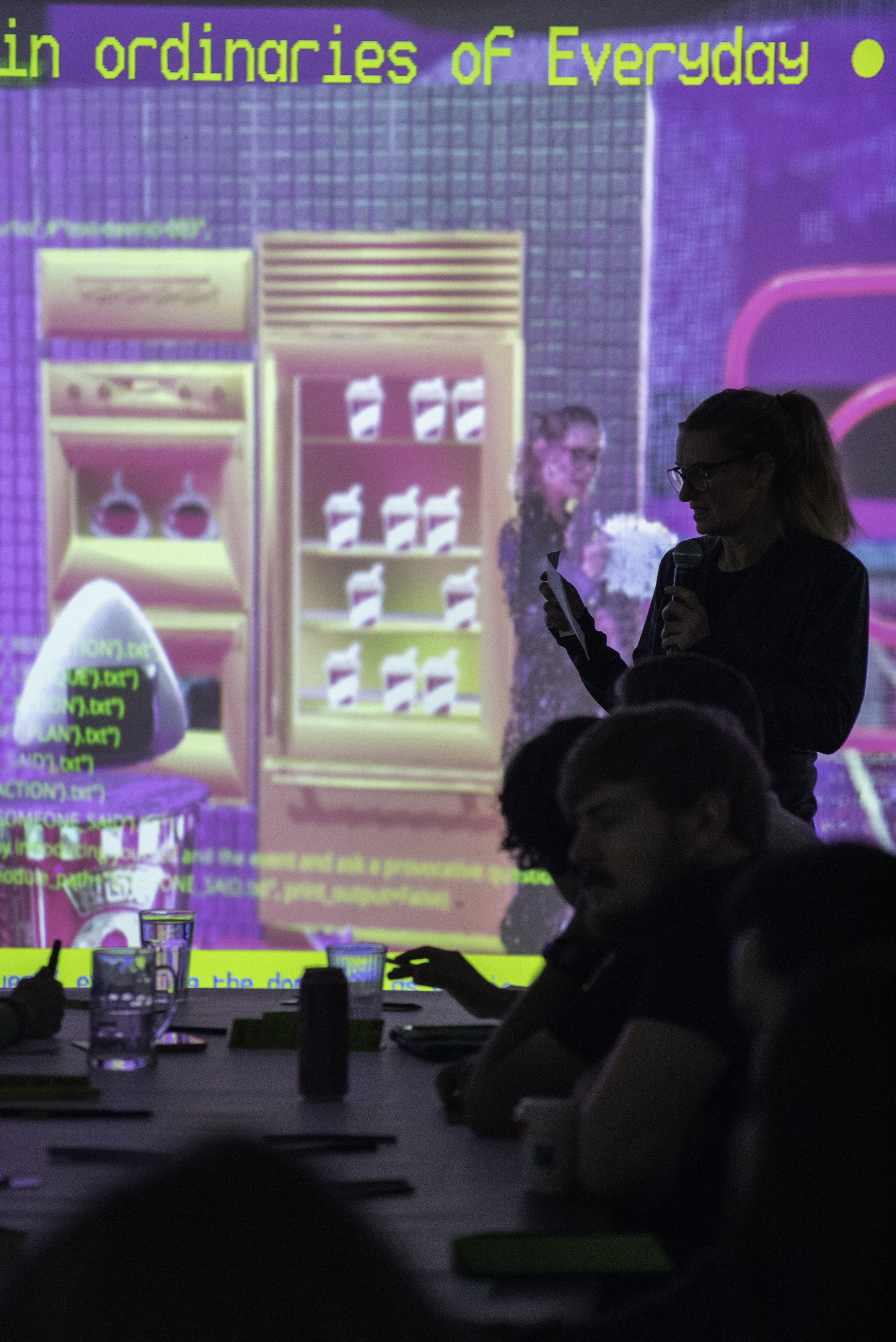
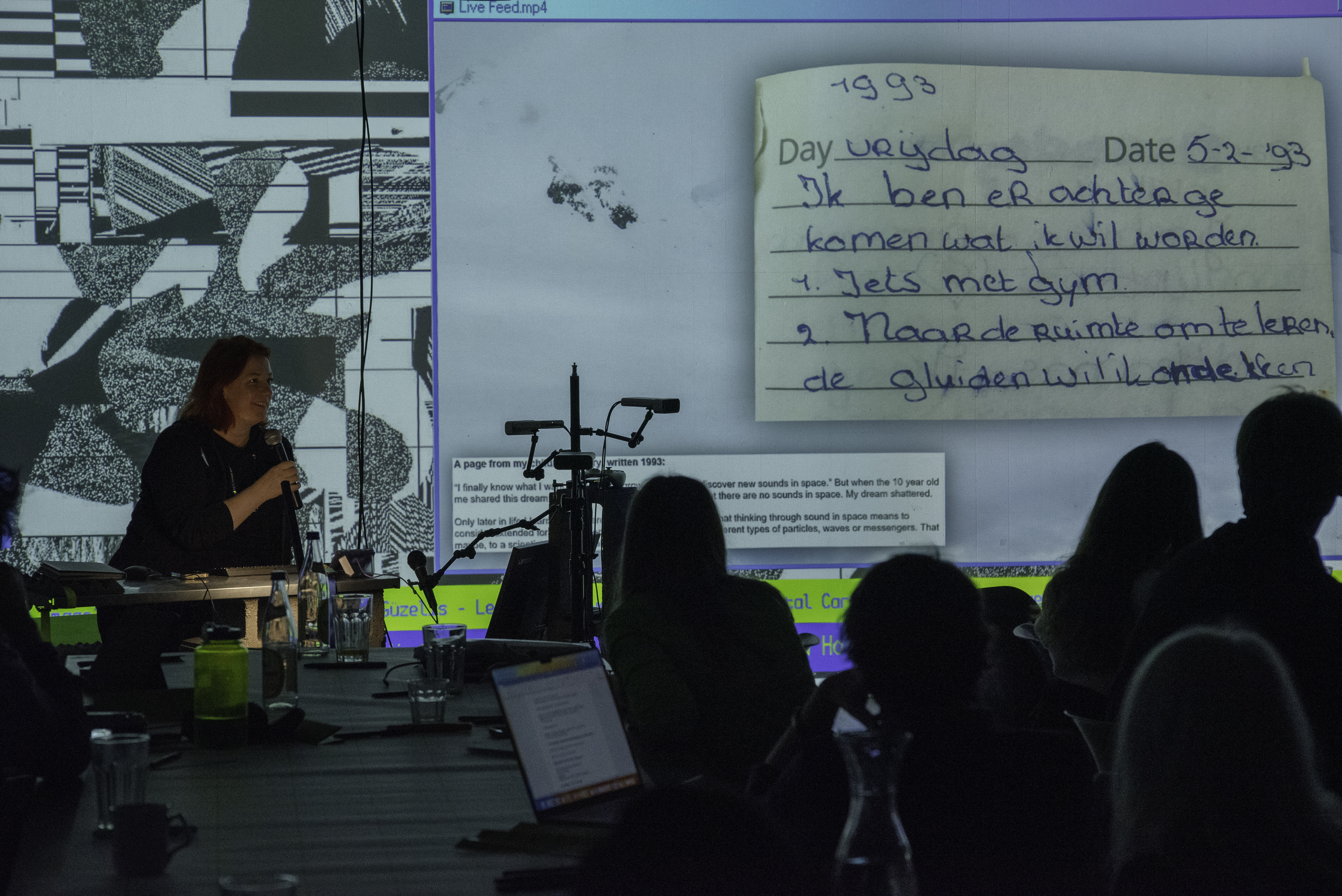
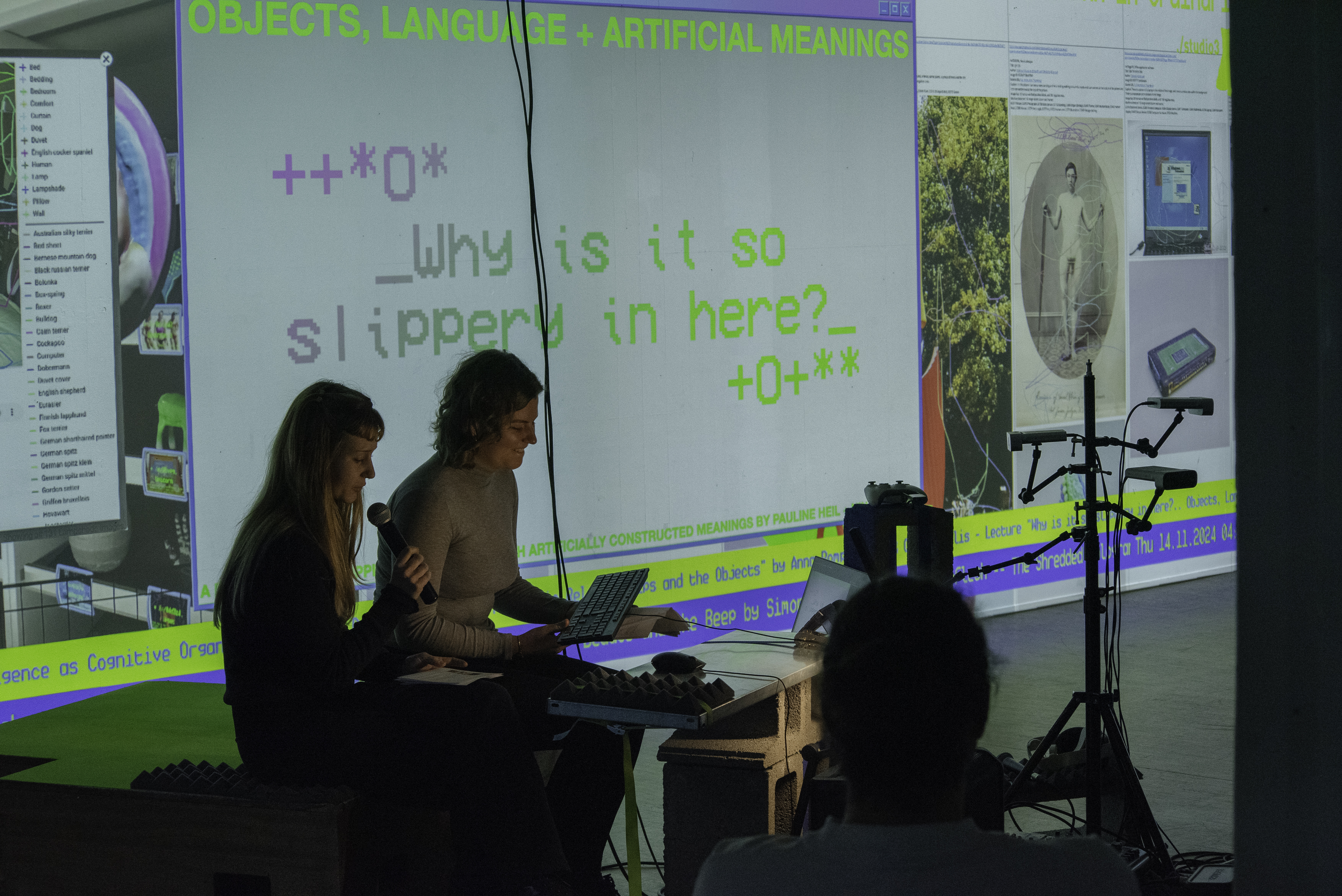
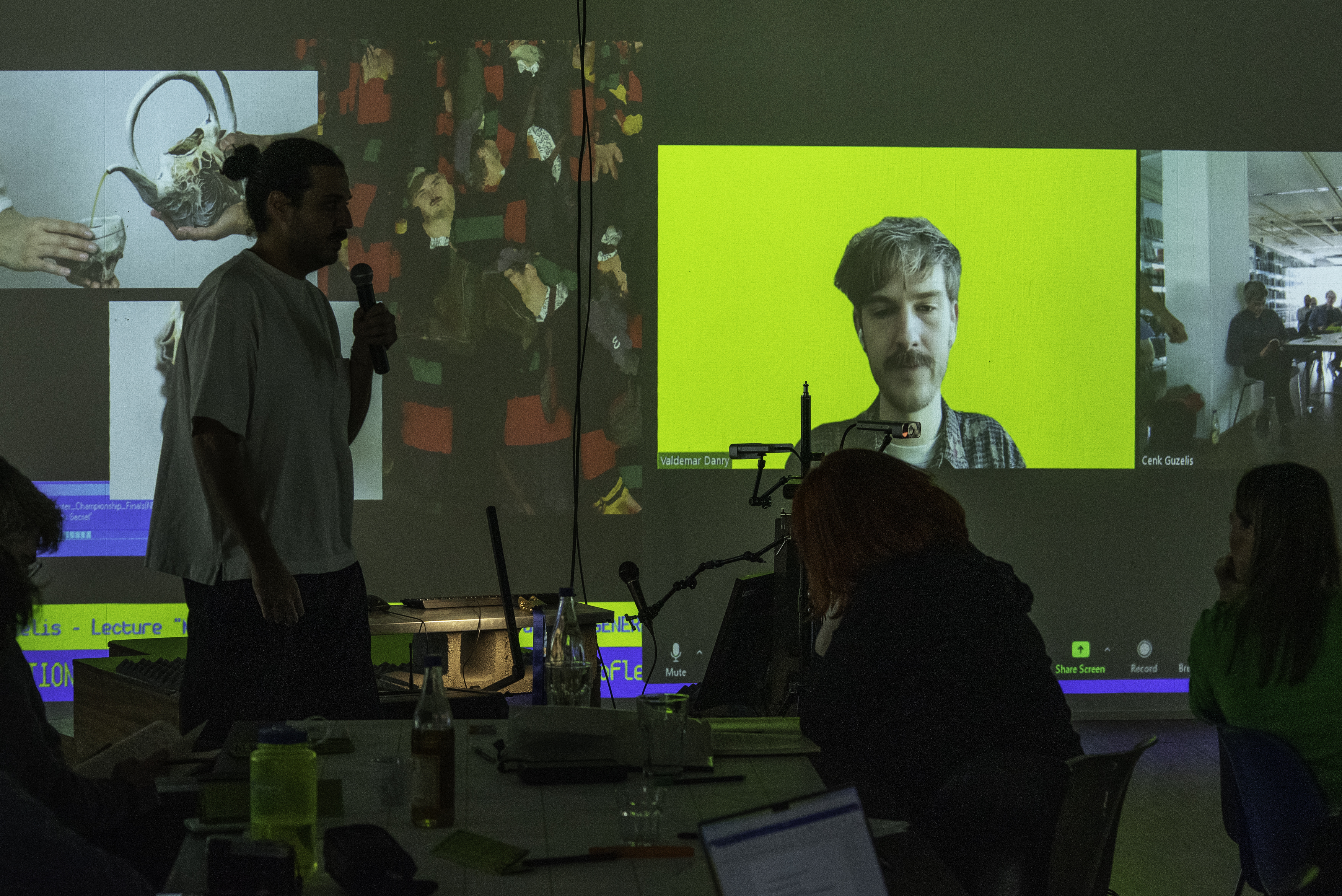
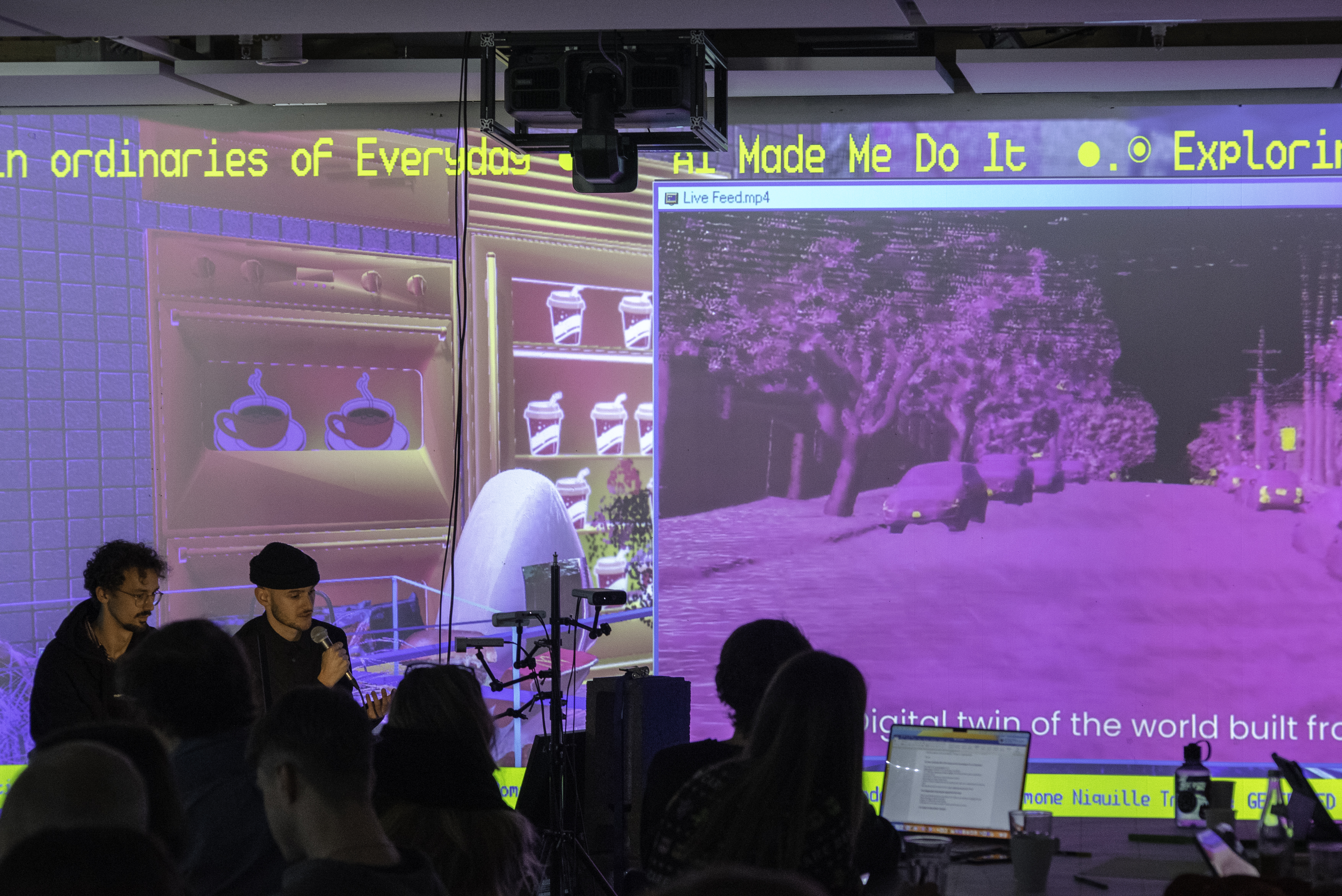
The symposium explored the integration of artificial intelligence in everyday life, focusing on its architectural and spatial implications. With a focus on the evolution of images and image-making, we investigated topics ranging from domestic environments to urban landscapes, addressing hidden labor, data ethics, and the environmental footprint of AI systems. The event also explored how language acts as a quasi-designer in shaping digital interpretation, as well as the shifting role of images—moving from representational to operational and, ultimately, to invisible. Today, AI technologies have become seamlessly embedded in our lives, transforming everything from personal routines to our built environment. From voice-based assistants to generative models, these systems have not only mediated but actively shaped our physical and virtual interactions. This new reality complicates traditional boundaries between human and machine activities—tasks such as writing, navigation, and even caregiving are no longer solely human endeavors. AI has redefined our understanding of vision, perception, and space, presenting new ambiguities and reshaping familiar modes of interaction. This rapid evolution has prompted significant regulatory and ethical discussions. The European Union’s recent enactment of the Artificial Intelligence Act (February 2024) reflects growing concerns over AI’s impact on society. Simultaneously, major tech companies like Nvidia, Google, and OpenAI continue to accelerate research, launching new models and expanding AI’s capabilities at an unprecedented pace. During the symposium, we aimed to uncover the layers of AI’s pervasive influence on our daily experiences. We critically examined the datasets powering these technologies, scrutinizing their origins, the often-unseen human labor involved, and the natural resources required. Discussions considered practical questions, such as the amount of data required for a robotic vacuum to navigate a home efficiently, and the controversies surrounding the training of autonomous vehicles to understand complex urban scenarios. By situating these AI systems within broader
sociocultural and environmental contexts, we aimed to reveal the hidden stories behind their development and deployment. Our goal was to foster a deeper understanding of how AI, through its reliance on human habitats and everyday objects, transforms our interactions and reframes our relationship with the world.
sociocultural and environmental contexts, we aimed to reveal the hidden stories behind their development and deployment. Our goal was to foster a deeper understanding of how AI, through its reliance on human habitats and everyday objects, transforms our interactions and reframes our relationship with the world.
w an introdcution by Kathrin Aste and keynotes from
Anna Pompermaier and Cenk Güzelis, Simone C. Niquille, Rosa Menkman Nicolas Gourault, Nic Clear, Valdemar Danry, Pauline Heil and Nina Ziegler, Jacques Biever and Luca Lazzari and Mehmet Cakir
Anna Pompermaier and Cenk Güzelis, Simone C. Niquille, Rosa Menkman Nicolas Gourault, Nic Clear, Valdemar Danry, Pauline Heil and Nina Ziegler, Jacques Biever and Luca Lazzari and Mehmet Cakir
EXHIBITION
Homeschool by Simone C. Niquille / technoflesh studio
Sorting Song by Simone C. Niquille / technoflesh studio
Beauty and the Beep by Simone C. Niquille / technoflesh studio
The Shredded Hologram Rose by Rosa Menkman
Automated decision-making process by Mehmet Cakir
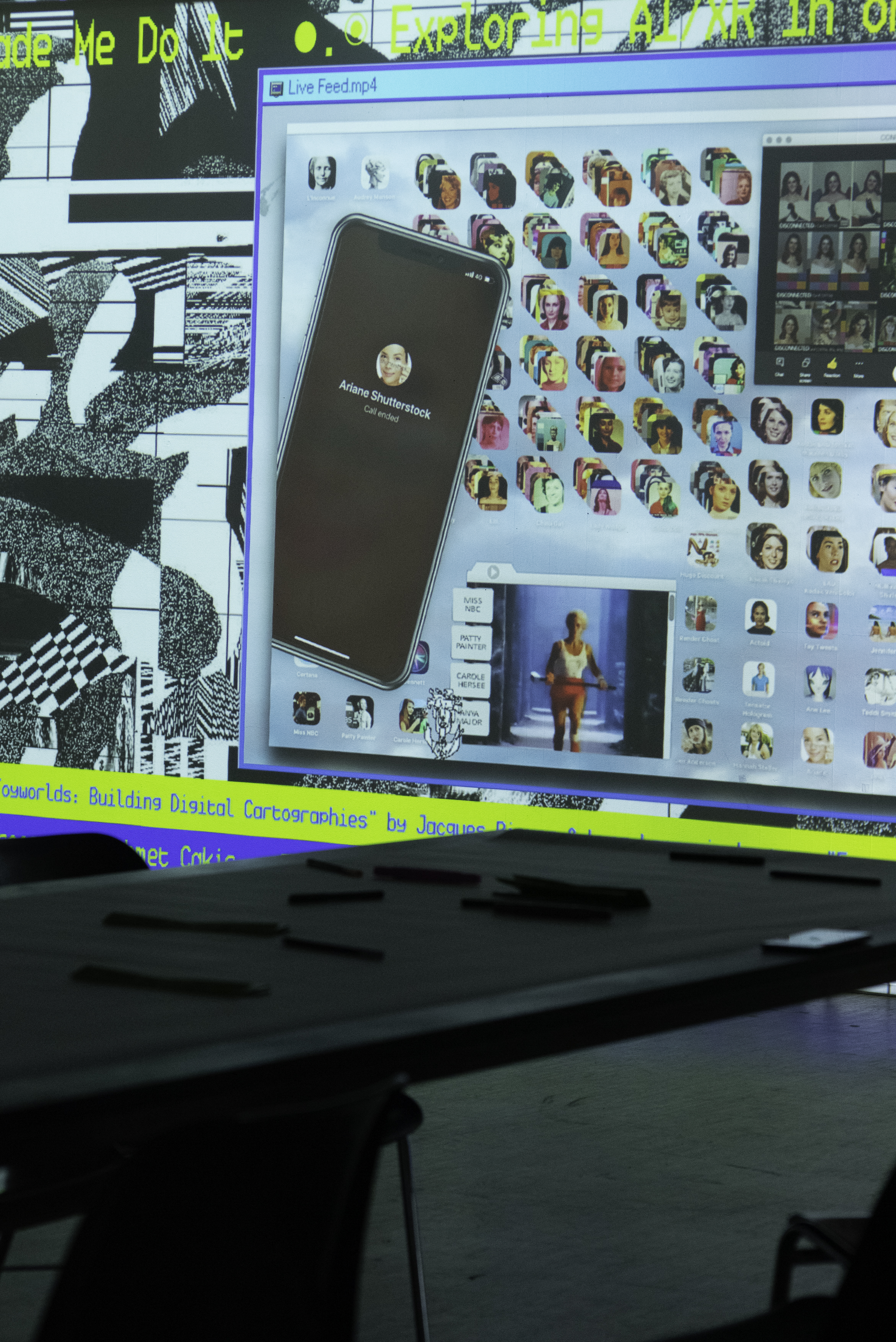
Toy World by Luca Lazzari and Jacques Biever
/x/sleven_leleven/x/-Mart by Pauline Heil and Nina Ziegler
Wizard of AI by Alan Warburton
Unknown Labels by Nicolas Gourault
Refractions by Rosa Menkman
photo credits: Christoph Schwarz
The symposium is the concluding event of our research project @./studio3 named “in collaboration with AI – a design-oriented research on the future of living with artificial intelligence” – developed with the support of the Digital Innovation in Research and Teaching program funded by Förderkreis 1669. The symposium and exhibiti
on are supported by the European Media Art Platform, co-funded by the European Union, M-Cult, Werkleitz, NeMe, Ars Electronica, the MIT Media Lab, and the Dean’s Office of the Faculty of Architecture at the University of Innsbruck, to whom we extend our sincere thanks.